
Modern powder coating is a surface coating technique, used for both decorative, as well as protective finishes on components. Though these components are usually metal parts, modern techniques enable powder coating on non-metallic items. Traditional powder coating can trace its roots back to 1945 when Daniel Gustin patented the process.
How Does It Work?
The powder coating process works by depositing an even coat of powdered plastic, or polymer, on the component to be coated. This is done electrostatically, the component is charged with static electricity, and the powder is attracted to it, much like rubbing a kids party balloon on your jumper, your hair is attracted to the balloon. Just like the particles of powder coat being attracted to the item being coated. The coating is then heated in an oven to melt and fuse the coating together. Once cooled, the process is complete.
Why Powder Coating?
The resulting finish has some key advantages over other coating systems. It is far tougher than conventional solvent-based paint and can be applied in one process, as a much thicker layer, without fear of drips or runs.
All the surfaces, regardless of their inclination, receive the same thickness of the coating. This helps with both a uniform appearance to the coated item and a consistent coating thickness, ensuring great performance throughout the various surfaces of a coated product.
Because there are no solvents to evaporate, like those used in conventional paint, the environmental emissions are less and do not require as sophisticated pollution control techniques as solvent-based paint.
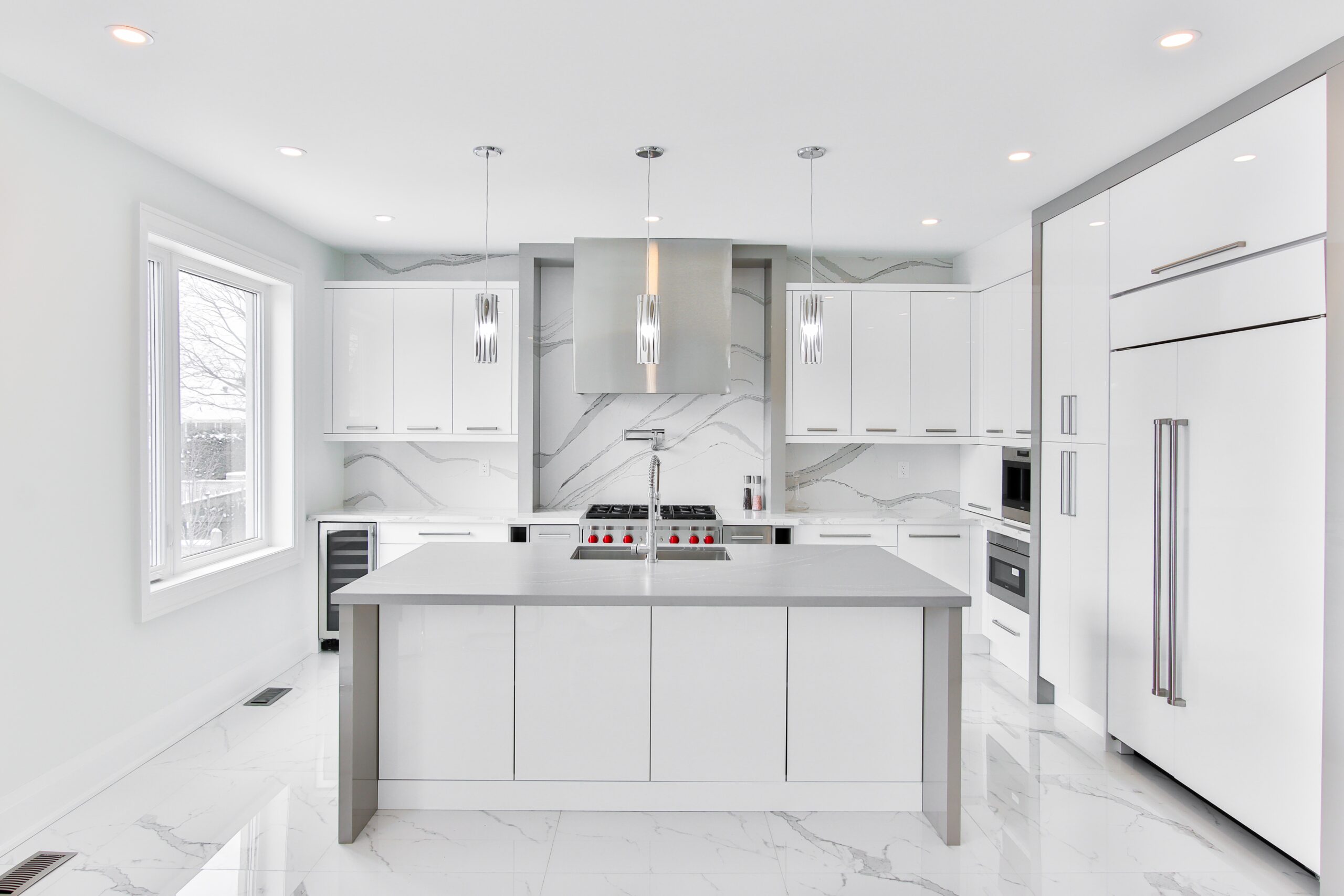
The time for a powder-coated item to cure and become handleable, is much less, compared to a conventionally painted one. This brings efficiency to the process, especially if it forms part of a production process, minimising mid-process storage and dwell times, as well as physical production facility space. It’s brilliant for transforming your kitchen countertops! Powder coating is also an easy solution (and a great idea) to make all of your kitchen appliances match too.
Modern techniques can even coat non-metallic items; this is achieved using Ultra Violet light curing coatings, which can be applied to plastics, composite materials, and even MDF products. These systems do not require the usual heat associated with traditional powder coating.
So you can see, powder coating is an extremely useful technique for providing a superior, tough attractive coating for many modern materials and applications. You can use it inside the home just as much as the back garden!


