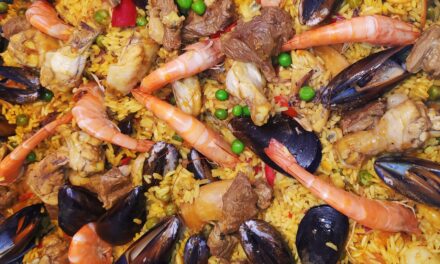
Food is one of the most important aspects of the Mediterranean culture. If you are a foodie, Barcelona is definitely your dream destination.
Spain is a country known for its incredible cuisine, including legendary paella, iconic cured ham, and glorified churros. Barcelona, the country’s most popular destination, is one of the most beautiful, vibrant, and cosmopolitan cities in the entire world, and it is also a paradise for foodies, because of its rich cultural history.
Due to its geographic location, Catalan gastronomy has an ancient Mediterranean style of cooking, characterized by the aroma and taste of the local spices and herbs and the abundance of seafood and wine.
Discovering new tastes and eating like a local is an important part of every travelling experience. Experiencing culture through food can offer great insights into societies, customs, and traditions and a better understanding of local people.
Therefore, if you are passionate about food and travel and you are planning a trip to Barcelona, you certainly would like to experience the ins and outs of its food scene by taking a Mediterranean cooking class. You will be able to develop new skills and bring back home some new recipes to share with your friends and family.
There is an outstanding variety of cooking schools in Barcelona that will allow you to get to know the city’s culture through its regional dishes, all designed around different perspectives of local gastronomy.
Also, before learning to cook, you might want to learn Spanish in Barcelona. Spanish courses in Barcelona are a great and fun experience, whether you are looking to improve your Spanish speaking skills, make new friends or want to boost your CV, the offer is varied and the ambience just awesome!
There is a great number of Spanish schools in Barcelona. Look around for the best ones, such as expanish.com – they are just waiting to be found.
Check out the 5 top-rated food experiences you should not miss when visiting the amazing capital of Catalonia. Get ready for some real Mediterranean food!

Jamón Ibérico – Perfect Starter for a Great Dinner
Jamón Ibérico, top-quality cured ham, is one of Spain’s most universal famous snacks and delicacy, and it actually stands as the country’s trademark.
Legs of ruby salted, and air-dried ham is hung up in the ceiling of almost every bar and restaurant in Barcelona to preserve them through the long winter months.
Take into account that there are two types of cured ham: jamón ibérico (pictured) and jamón serrano (of the mountain). While both are delicious, jamón serrano is cheaper, as it is the most common kind, coming from white pigs. On the other hand, jamón ibérico comes from black pigs. Therefore, the only downside about jamón ibérico is that it can be a little expensive…and addictive!
If you are heading to Barcelona, La Boquería Market is the perfect stop to taste genuine jamón ibérico while on the go. More than 200 stands are ready to offer the choicest local gastronomy products, making it the perfect place to experience the local culture.
However, if you are looking for a less crowded experience – as the market is filled with tourist all day long – you can check out the bars and restaurants around it, they are also great places to treat your taste, as well as other neighbourhood markets frequented by locals instead of tourists.

Paella – Most Traditional Main Course
If you are food enthusiastic you have probably already heard about Paella. It is perhaps the most famous dish of Mediterranean gastronomy, and certainly, one of the most abused, usually eaten at lunchtime.
Paella is a Spanish rice dish packed with vegetables and meat (chicken or rabbit) or seafood, flavoured with Spanish saffron and rosemary, which gives the rice its distinctive colour.
Although the iconic Paella actually originates from Valencia (200 miles south of Barcelona), it is eaten all over Spain, and Barcelona actually embraces the paella tradition like it is it’s own.
The iconic Spanish rice dish can also be made with pasta (although purists will tell you it should only be made with rice). As a result, the dish is called Fideua – less well known to tourists, but very popular in Catalonia – and rivals paella for their taste and intricacy.
It is quite easy to fall in love with paella. If you are visiting Barcelona to study Spanish Barcelona, you should add to your itinerary eating Paella at a high-end restaurant, for a truly unique experience.
Crema Catalana – Time for dessert!
If while visiting Barcelona you happen to ask or mention dessert, you will most likely be directed towards Crema Catalana. It is one of the most popular desserts of Catalonia, and it is absolutely delicious.
Crema Catalana is quite similar to French crème brulee (do not mention that in Spain!), aside from a few key ingredients. The basic recipe for Crema Catalana is a mixture of milk, sugar, vanilla, and egg yolks, spiced with cinnamon and lemon peel and topped with a slightly thinner crust of caramelized sugar. It is really easy and fast to cook, and there is no baking involved.
If you have a sweet tooth, you need to try this rich custard cream, that can be found in almost every restaurants and café in Barcelona. Crema Catalana is definitely a culinary treat that cannot be missed.
Granja La Dulcinea is a traditional chocolate and coffee shop located on Petritxol street, a tiny and charming street in the Gothic neighbourhood of Barcelona. It has been in business since 1941, selling the most delicious Crema Catalana of Barcelona, already part of the city’s cultural heritage.
If you are planning on going to Granja La Dulcinea for having the best quality Crema Catalana, you should go early to guarantee your spot, as it can be quite crowded. In fact, locals tend to line up before opening hours.
Barcelona has many must-eat foods, many of which date back hundreds of years. If you want to try them all but do not know where to start, begin your evening as the Mediterranean: go tapas-hopping to try jamón ibérico where locals gather, eat a fine paella dish at a high-end restaurant and head to the beach for dessert against the backdrop of the Mediterranean Sea.